- Posts :
In the ever-evolving world of real estate, few investments spark as much intrigue as luxury custom homes. As an industry expert specializing in high-end property markets, we have delved into whether these bespoke residences—tailored to the finest details of an owner’s vision—truly stand the test of time when it comes to resale value. With the U.S. luxury home market projected to grow steadily through 2025, driven by demand for personalized, sustainable living spaces, this question is particularly relevant for affluent buyers in dynamic markets like Denver, Colorado. Here, where the median home price hovers around $599,000 and luxury properties command premiums starting in the low $2M’s, understanding resale potential can mean the difference between a savvy investment and a costly misstep.
Luxury custom homes, often defined as properties valued at $1 million or above with unique architectural elements, high-end materials, and personalized features, promise not just opulent living but long-term financial security. But do they appreciate like traditional homes, or does their customization limit appeal? Drawing from industry reports, market data, and expert insights, this article explores the factors influencing resale value, historical trends, and Denver-specific dynamics. We’ll uncover why many custom homes not only hold but often exceed their value, especially when built with timeless design in mind. Keywords like “luxury custom homes resale value,” “custom home appreciation,” and “Denver luxury real estate trends” guide our analysis, ensuring you have the tools to evaluate this high-stakes investment.
What Defines a Luxury Custom Home and Why Build One?
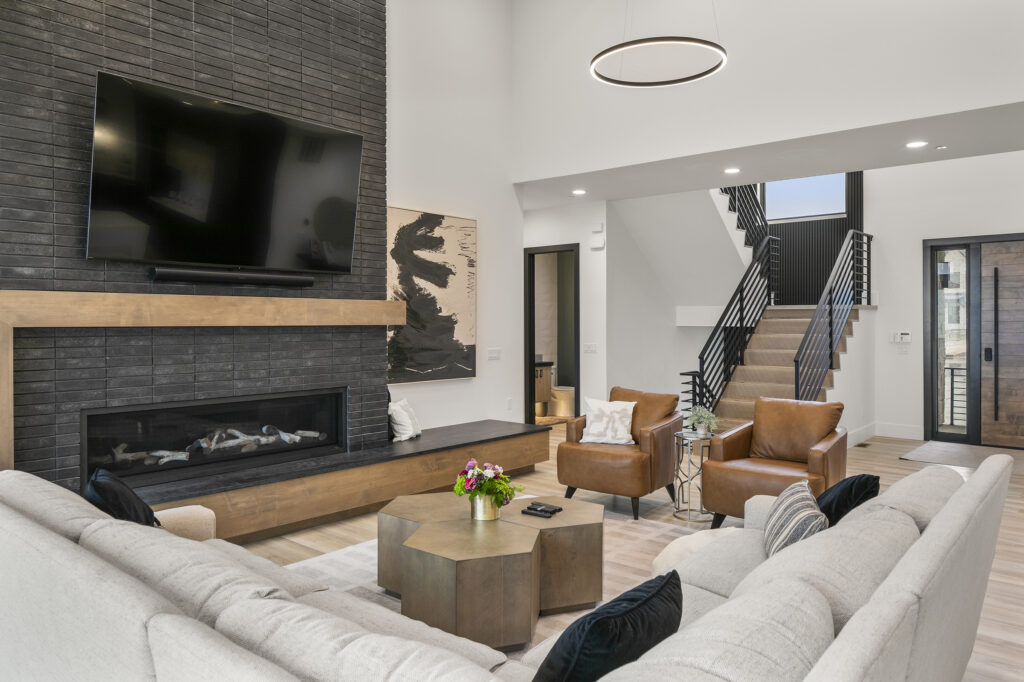
Luxury custom homes represent the pinnacle of residential real estate, where every element—from floor plans to fixtures—is crafted to suit the owner’s lifestyle. Unlike production or spec homes built for broad appeal, custom builds incorporate unique features such as smart home integration, wellness spaces like home gyms and saunas, and sustainable elements like solar panels or energy-efficient windows. In 2025, trends emphasize multi-functional spaces, indoor-outdoor living with features like retractable glass sliding doors, and eco-friendly materials that reduce long-term costs. For instance, the National Association of Home Builders (NAHB) reports that custom homes are increasingly incorporating bold engineering, such as elevated structures for flood-prone areas or zero-energy designs, which appeal to environmentally conscious buyers.
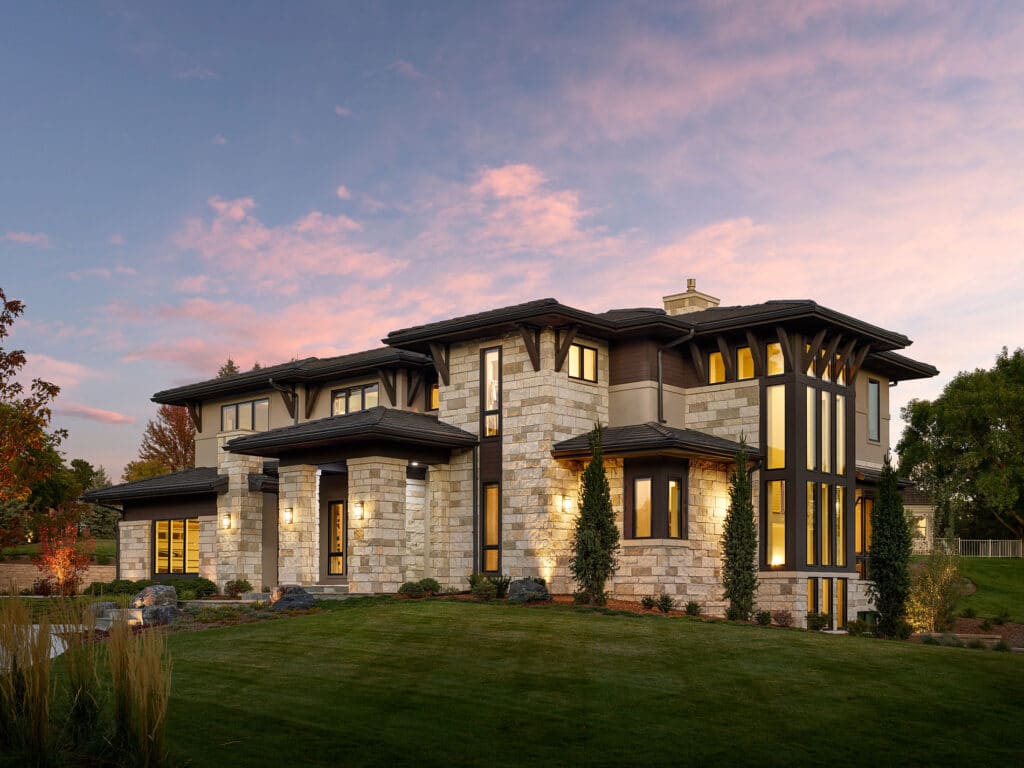
The allure of building a luxury custom home lies in personalization, but this raises questions about resale. Do features like a wine cellar or custom dog washing station in the mudroom enhance value, or do they niche the property too much? Data from Zillow’s research suggests that well-executed custom elements can boost resale by 10-20% if they align with market demands. In Denver, where the luxury market favors modern mountain styles with natural stone exteriors and composite siding, custom homes in neighborhoods like Cherry Hills Village or Castle Pines often command premiums due to their scarcity and quality.
Building a custom home isn’t just about aesthetics; it’s an investment strategy. According to Forbes, custom properties in stable markets like Colorado appreciate at rates comparable to or higher than standard homes, thanks to superior construction quality that minimizes depreciation. However, over-customization—think highly personalized themes that don’t appeal broadly—can deter buyers. The key is balancing uniqueness with timeless appeal, ensuring the home remains desirable in resale scenarios.
Key Factors Influencing Resale Value of Luxury Custom Homes
Resale value isn’t guaranteed; it’s shaped by a myriad of factors. Location tops the list, as emphasized by the National Association of Realtors (NAR). In Denver, proximity to urban amenities, mountain views, and top schools in areas like Belcaro or Hilltop can elevate a custom home’s value by 15-25%. Poor locations, even with luxurious features, struggle to appreciate.
Construction quality and materials play a pivotal role. Custom homes built with premium elements—like natural stone facades, tile shingles, composite siding, or energy-efficient systems—hold value better due to lower maintenance costs. Redfin data shows that homes with sustainable upgrades appreciate 5-10% faster. In the depiction of trends, 2025 sees a rise in eco-materials that not only reduce utility bills but also attract green-minded buyers, enhancing resale appeal.
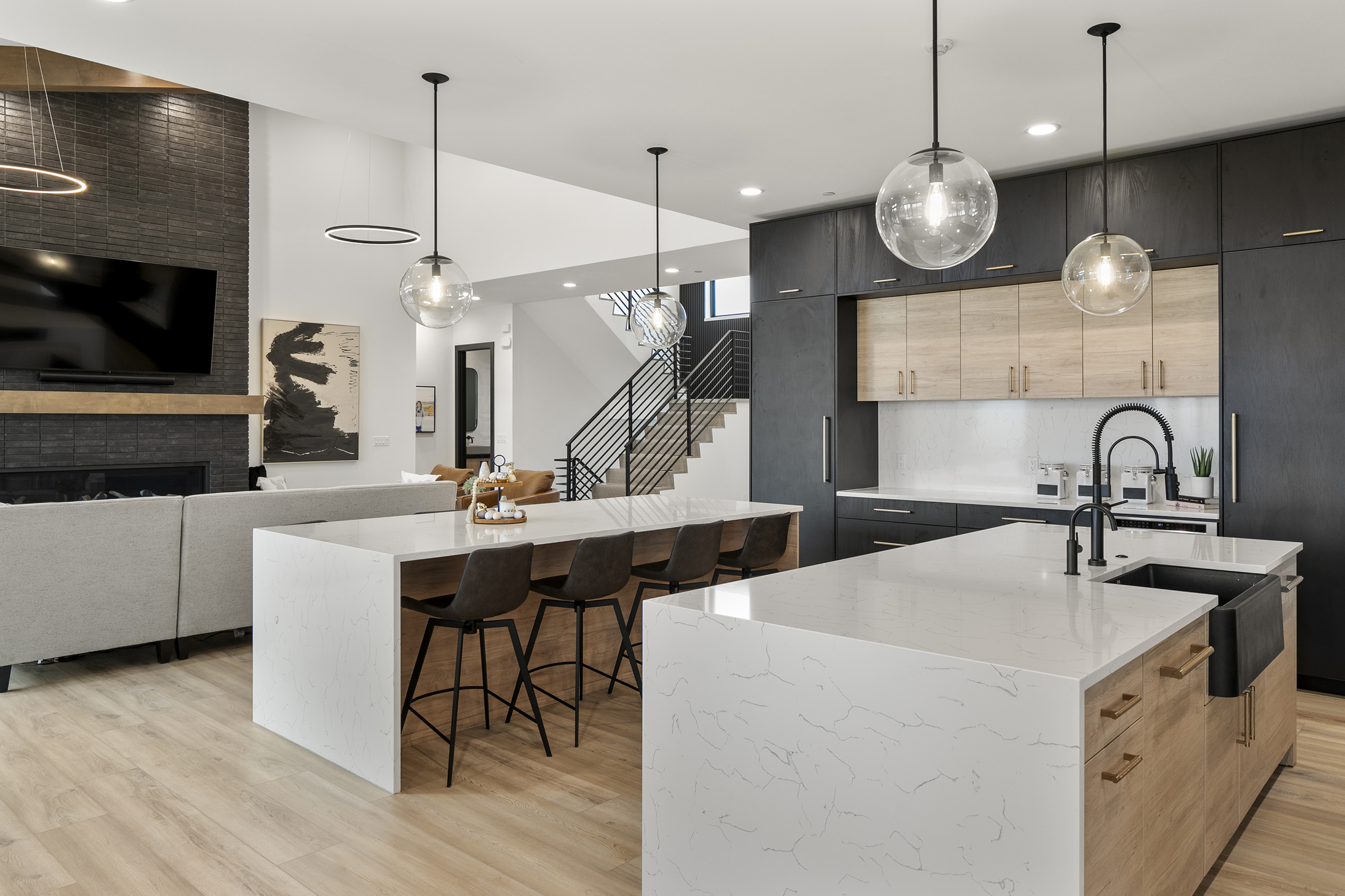
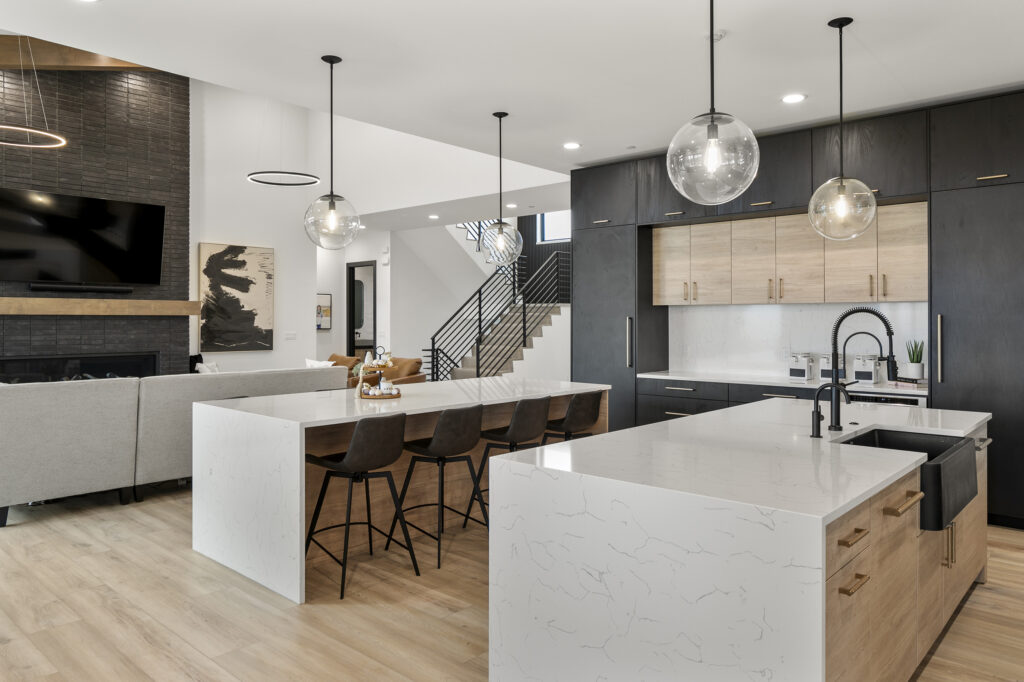
Design and layout are critical. Open-concept floor plans, multi-slide doors for indoor-outdoor flow, and flexible spaces like home offices or gyms boost desirability. However, overly idiosyncratic designs can hurt resale. A Quora discussion notes that timeless features like quartz countertops and hardwood floors outperform trendy ones. Size matters too; while larger homes (5,000-10,000 sq ft) command higher prices, oversized properties may face longer market times if they exceed neighborhood norms. Study what price points the market will support.
Market conditions and economic factors influence value. In a seller’s market like Denver’s 2025 projection—with inventory low and demand high—custom homes sell quickly at premiums. Inflation, interest rates, and buyer preferences shift dynamics; post-pandemic, wellness-focused homes have seen 20% higher resale.
Curb appeal and condition are non-negotiable. Well-maintained exteriors with landscaping add 5-15% to value, per NAR. Upgrades like smart tech or outdoor kitchens yield high ROI if not overdone.
Finally, age and depreciation: New custom homes depreciate less initially due to modern standards, often holding 90-95% of value after 5 years if built timelessly. Construction standards and code requirements are at an all-time high, extending the life of the home with quality materials from the start.
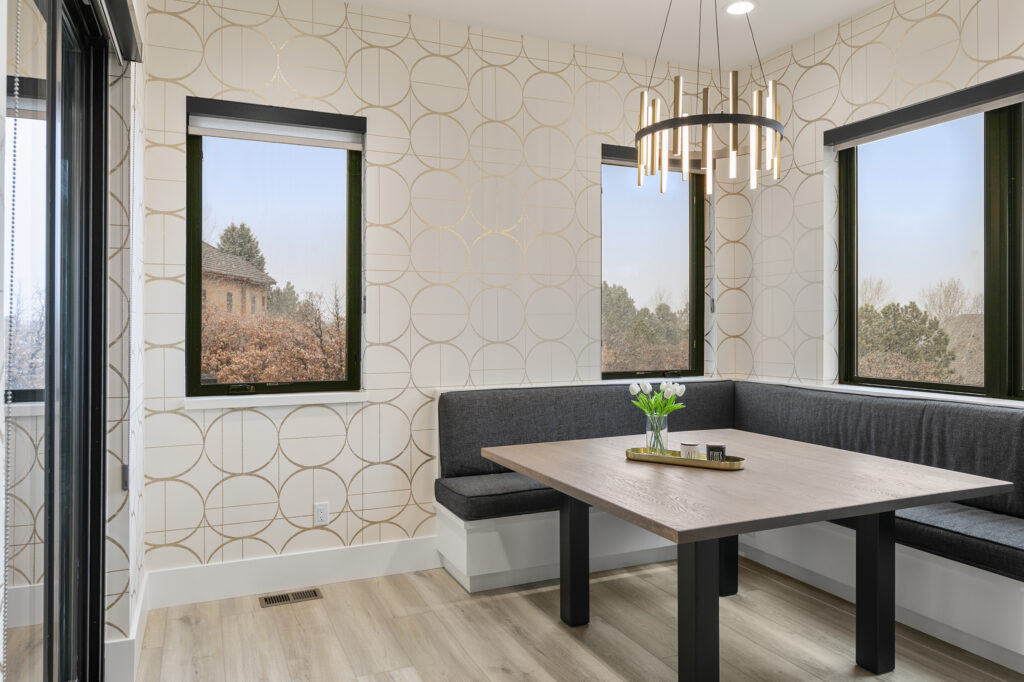
Historical Trends and 2025 Outlook for Resale Value
Historically, luxury custom homes have outperformed standard properties in appreciation. From 2010-2020, U.S. custom home values rose 50-70% in strong markets, per Zillow. In Denver, luxury homes appreciated 6-8% annually pre-pandemic, driven by tech influx and lifestyle shifts.
The pandemic accelerated trends: Remote work boosted demand for custom features like home offices, leading to 10-15% value spikes. However, 2022-2023 saw corrections with rising rates, but custom homes fared better due to uniqueness. Mansion Global reports Denver’s luxury market stabilized in 2024, with average sales at $1.65M.
For 2025, NAHB forecasts 5% growth in remodeling/custom sectors, emphasizing sustainability. Custom homes with wellness designs (e.g., saunas, gyms) are expected to appreciate faster, with resale premiums of 10-20%. X discussions highlight that quality custom builds retain value amid inflation.
Challenges: Over-customization can reduce buyer pool, per Reddit threads. Yet, timeless customs hold strong.
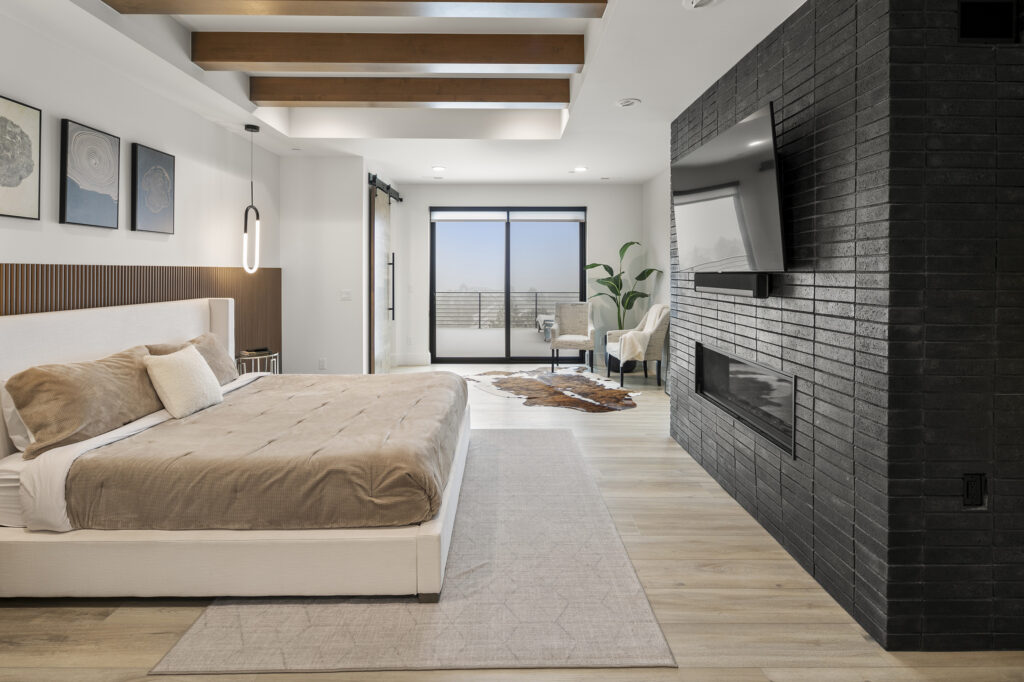
Denver’s Luxury Custom Home Market: A Case Study
Denver’s market exemplifies resilience. With a median luxury price of $599K and high-end sales up 2% YoY, custom homes in suburbs like Castle Pines thrive. Demand for mountain-modern styles with outdoor features drives 5-7% annual appreciation.
Local factors: Proximity to Rockies, urban access. Custom builds in Cherry Creek sell 23% above list with seamless integrations. However, inventory shortages push values up, but corrections offer deals.
Builders with a recognized record for excellence, like Thomas Sattler Homes, emphasize value-adding features, ensuring resale strength.
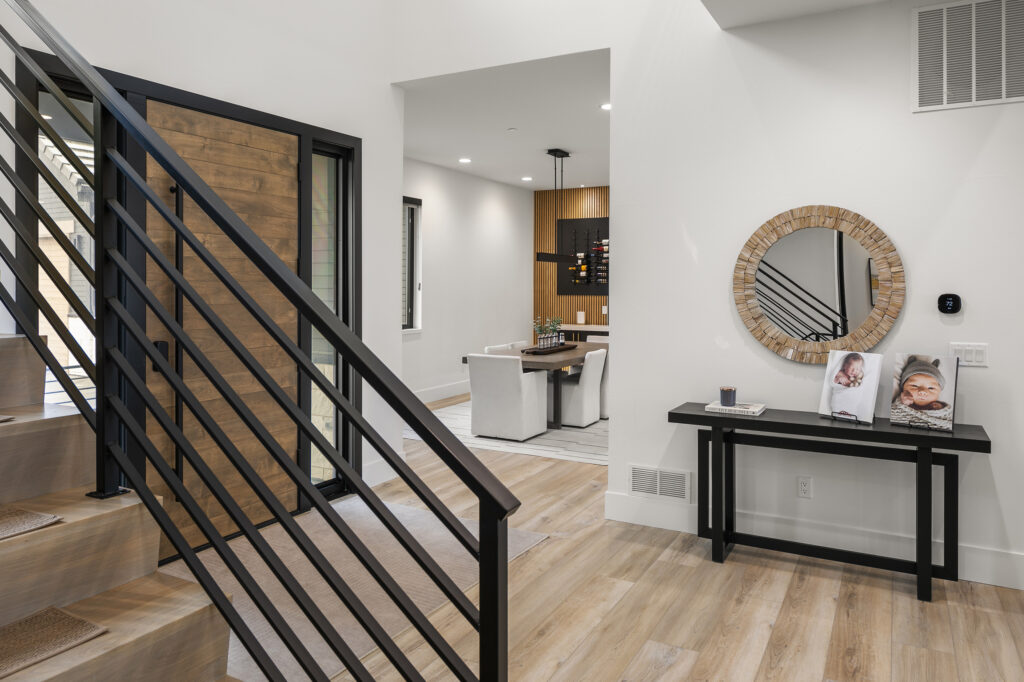
Pros, Cons, and Tips for Maximizing Resale
Pros: Higher appreciation (10-20%), personalization boosts appeal if broad. Cons: Higher initial costs, potential over-customization.
Tips: Choose timeless designs, prioritize location, incorporate sustainable upgrades. Consult builder for future resale guidance. Avoid unusually niche features; focus on ROI-high items like kitchen and bath features.
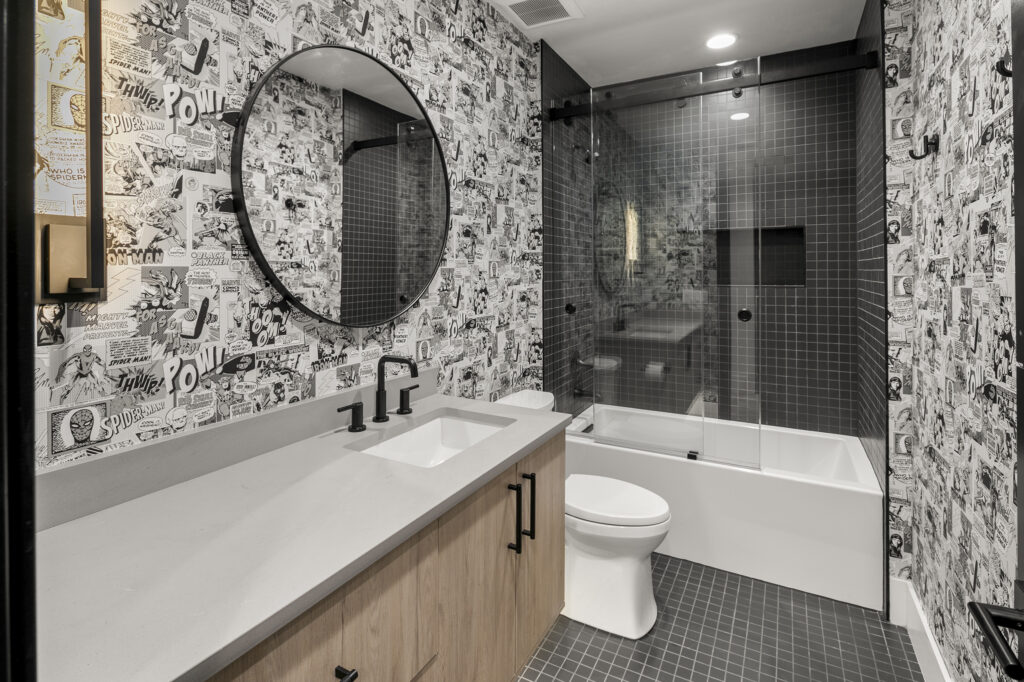
Conclusion
Luxury custom homes do hold resale value over time, often outperforming standards when built thoughtfully. In Denver, with 2025 trends favoring sustainability and functionality, they represent a solid investment. By focusing on key factors, buyers can ensure lasting returns.
#HomeDesignTrends2025
Found the perfect lot? Already own land? Call us today to schedule your free feasibility estimate! Know your total project cost before you commit to any decisions. We pride ourselves on a customer-oriented experience, always putting your needs first. You can reach the Thomas Sattler Homes Sales Team at (303) 771-5995 or at ThomasSattlerHomes.com.